

When you invest in home insurance, you're doing so with the expectation that you'll be protected when the unexpected happens. Whether it's a break-in, a fire, or storm damage, your policy should be there for you. But here's the reality that many Ontario homeowners don't realize that some specific actions and oversights could invalidate your coverage, leaving you unprotected when you need it most.
At our brokerage, we've seen homeowners lose their coverage—or worse, have claims denied—because they unknowingly violated their policy terms. The good news? Most of these situations are completely avoidable with the right knowledge and proactive communication with your insurer.
Let's walk through what could invalidate your Ontario home insurance and, more importantly, how you can protect your coverage.
Common Ways Ontario Home Insurance Gets Invalidated
1. Non-Disclosure or Misrepresentation
This is one of the most serious—and most common—ways coverage gets invalidated. When you apply for home insurance, the information you provide forms the foundation of your entire policy. If you fail to disclose important details or, worse, provide false information, your insurer can deny claims or cancel your policy outright.
What counts as important information? Previous insurance claims, major home renovations, the age and condition of your roof, whether your home is occupied year-round, and any business activities conducted from your home. Even details that seem minor to you could be significant to your insurer.
2. Unoccupied Property Violations
Planning an extended vacation or temporarily relocating for work? This is where many Ontario homeowners slip up. Most home insurance policies require your home to be occupied—typically meaning someone lives there on a regular basis.
If you leave your home vacant for an extended period (usually 30 days or more, though this varies by policy), some of your coverages may lapse without your knowledge. Insurance companies view vacant homes as higher risk because they're more vulnerable to break-ins, vandalism, and damage from burst pipes or other maintenance issues.
The issue becomes even more serious if you experience a loss while your home is vacant. Your insurer could deny your entire claim, leaving you to cover all damages out of pocket.
3. Unauthorized Home-Based Businesses
The shift to working from home has been great for many of us, but it's created a coverage gap for others. If you're starting a business out of your home, whether it's freelance work, e-commerce, consulting, or anything else, you need to inform your insurer.
Here's why: standard home insurance doesn't cover business activities. If someone is injured while visiting your home for business purposes, or if business equipment is damaged or stolen, your home insurance likely won't cover it. Worse, if you haven't disclosed the business, your entire policy could be invalid.
The solution is straightforward: talk to your broker about adding coverage that includes business use or switching your policy to commercial coverage.

4. Renting Out a Room or Part of Your Property (student rental)
Similar to running a business, renting out a room or converting part of your home into a rental property changes everything from an insurance perspective. Your home is no longer owner-occupied—it's now a rental property, which is a completely different risk category.
Standard home insurance doesn't cover rental activities. If a tenant is injured in your home or their belongings are damaged, you could be liable, and your home insurance won't protect you. Plus, if your insurer discovers you're renting without having disclosed it, they can cancel your policy.
This requires landlord insurance or rental property coverage, which is specifically designed for these situations.
5. Major Renovations Without Notice
Updating your kitchen, finishing your basement, or adding a new room? Make sure your insurance broker knows about it. Major renovations change the value of your home and sometimes the risk profile as well.
If you don't update your coverage limits to reflect these improvements, you could be underinsured. Worse, if you don't inform your insurer at all, they may argue that you intentionally misrepresented your home's condition, which could invalidate your policy.
Always notify your insurer before starting major work and review your coverage limits once the project is complete.
6. Failure to Maintain Your Property
Insurance companies expect you to maintain your home in reasonable condition. Letting your property fall into disrepair, ignoring a damaged roof, or failing to winterize your pipes in cold months gives your insurer grounds to deny specific claims—or even cancel your entire policy.
Think of it this way: if you have a burst pipe in January and your insurer discovers you never winterized your home, they can argue that the damage was preventable and deny your claim. Maintenance isn't just about protecting your home; it's about protecting your coverage.
7. Losing Your Keys and Not Changing Locks
This might seem like a small detail, but it matters. If you lose your house keys, most insurers require you to change your locks promptly. This protects against unauthorized entry and potential theft or damage.
If you file a claim after losing your keys and haven't had your locks changed, your insurer could argue that you failed to take reasonable steps to protect your home, potentially invalidating your claim.
7a. Installing a Doggy Door Without Disclosure
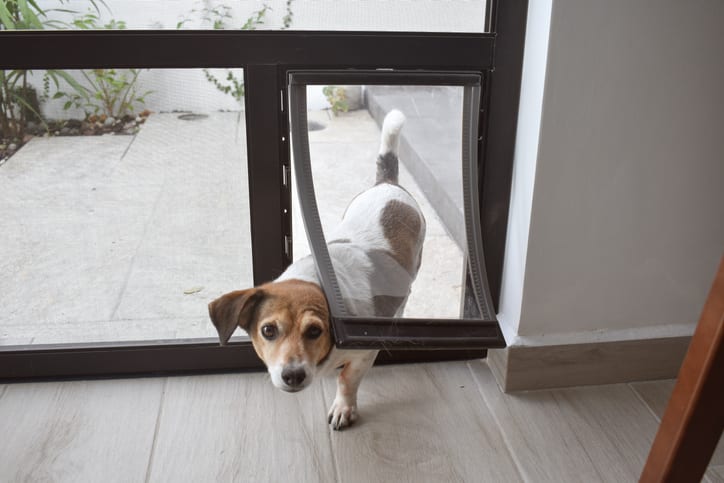
Here's something many pet owners don't think about: installing a doggy door or pet door can affect your home insurance coverage. While it might seem harmless, these doors create an additional entry point to your home that your insurer needs to know about.
Some insurers view pet doors as a security risk because they can be used by intruders to gain unauthorized entry to your home. If you install a doggy door and don't disclose it, your insurer could argue that you've compromised your home's security. If a break-in occurs through the pet door, they may deny your claim or reduce your coverage.
Before installing a pet door, check with your insurance broker. They can advise you on whether it affects your coverage and whether any adjustments need to be made to your policy.
8. Not Activating Your Security System
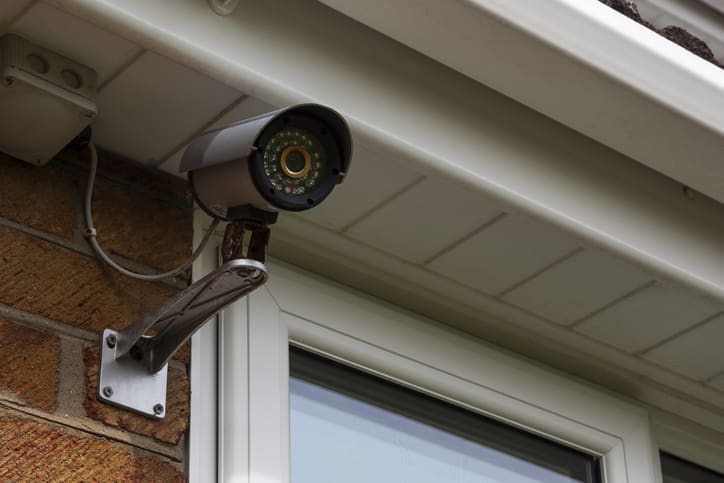
If your policy includes a requirement to activate your security system—particularly when your home is unoccupied—failing to do so could void your coverage. Some insurers offer discounts for homes with monitored security systems and may require them to be armed as a condition of coverage.
Always check your policy to understand any security system requirements and make activating it part of your routine.
9. Non-Payment of Premiums
This one is straightforward but critical. If you miss premium payments or let your policy lapse, your coverage ends. You won't be protected, and if a loss occurs during this time, you won't receive any compensation.
Set up automatic payments or calendar reminders to ensure you never miss a deadline.
10. Conducting Criminal Activities in Your Home
This is straightforward but important: if you're using your home for illegal activities—whether that's drug production, distribution, theft, fraud, or any other criminal enterprise—your home insurance will not protect you. In fact, if your insurer discovers criminal activity on the premises, they can cancel your policy immediately and deny any claims.
Beyond insurance implications, criminal activity in your home puts your safety at risk, endangers your neighbours, and can result in property seizure by law enforcement. Insurance companies are not in the business of protecting illegal operations, and they have legal grounds to refuse coverage or deny claims related to criminal activity.
This isn't about moral judgment; it's about the fundamental purpose of insurance, which is to protect against accidental or unforeseen losses—not to cover damages resulting from illegal conduct.
11. Claims Fraud or Exaggeration
Filing a false or significantly exaggerated insurance claim is fraud, and it will invalidate your policy and could result in legal consequences. Beyond the legal issues, insurance fraud is taken seriously by the entire industry, and a fraud conviction can make it nearly impossible to get coverage in the future.
Always be truthful and detailed when filing claims, reporting only actual losses and damages.
How to Protect Your Ontario Home Insurance Coverage
Now that you understand what could go wrong, let's focus on what you can do to keep your coverage intact and valid.
Stay Honest and Transparent from the Start
When you apply for home insurance, provide complete and accurate information. Don't omit details or downplay issues. If something seems relevant to your home's condition or how you use it, mention it. Transparency now prevents denied claims later.
Communicate Changes to Your Insurer
Life changes. You renovate your home, start working from home, decide to rent out a room, or plan an extended absence. Whatever the change, communicate it to your insurer before it happens if possible. This allows them to adjust your coverage or recommend additional policies you might need.
Maintain Your Home Regularly
Perform routine maintenance: winterize pipes, inspect your roof, maintain your foundation, and address issues promptly. Not only does this protect your home, but it also protects your coverage. Document your maintenance efforts for your records.

Update Your Coverage Annually
Review your policy at least once a year. Make sure your coverage limits reflect your home's current replacement cost value and adjust if you've made improvements
Get the Right Coverage for Your Situation
If you're running a business from home, renting out rooms, or doing anything non-standard, don't rely on basic home insurance. Work with your broker to identify the right additional coverage. It's much cheaper to add coverage upfront than to have a claim denied because you were underinsured.
Change Your Locks if You Lose Your Keys
If your keys go missing, treat it as a priority. Have your locks changed promptly and keep the receipt. Inform your insurer if you have concerns about potential unauthorized entry.
Use Your Security System
If you have a security system and your policy requires or recommends using it, make it a habit. Arm it before you leave home and whenever your home is unoccupied for extended periods.
Keep Detailed Records
Document all home improvements, maintenance, and communications with your insurer. These records become invaluable if you ever need to file a claim or if a dispute arises.
Notify Your Insurer Before Extended Absences
If you're going to be away from your home for more than a few weeks, let your insurer know. They may have specific requirements for vacant properties or may recommend adjustments to your coverage.
Pay Your Premiums on Time
Set up automatic payments or use calendar reminders to ensure you never miss a deadline. An active, paid-in-full policy is the foundation of protection.
Why Working with an Insurance Broker Matters
Navigating the complexities of Ontario home insurance can be overwhelming. This is where working with an experienced insurance broker makes all the difference. A good broker will:
- Help you accurately assess and disclose your home's details
- Recommend appropriate coverage for your specific situation
- Review your policy annually and suggest updates
- Advise you on changes that might affect your coverage
- Help you file claims properly and advocate on your behalf
We're here to make sure you have the right coverage for your needs and that you understand the terms and conditions of your policy. Our goal is to help you avoid the pitfalls that could invalidate your coverage.
>> Speak with A Youngs Insurance Broker Today!
Click here for a quick home insurance quote »
Disclaimer: The information provided on this blog is for educational purposes only and is not intended as professional insurance advice. The coverage, terms, and conditions of each insurance policy are unique and subject to individual circumstances. The information provided does not guarantee the availability or suitability of any insurance policy for your specific needs. You should not rely on the information in the blog as an alternative to professional advice from your insurance broker or insurance company. If you have any specific questions about any insurance matter, please consult a licensed insurance broker for personalized advice and guidance.