
The 10-Point Post-Storm Inspection for Ontario Homeowners.
A heavy Ontario snowfall can do more than slow down your commute—it can stress your roof, block vents, freeze plumbing, and create slip hazards.
Doing a quick post-storm walkaround can help prevent small issues from turning into expensive repairs or an Ontario home insurance claim. Use this homeowner-friendly checklist to spot early warning signs before the next thaw.
⚠️ Safety First: Before You Start
Before you climb, chip, or lift anything, keep these rules in mind:
- Stay off the roof: Falls are a leading winter risk. Use a roof rake from the ground or hire a pro.
- No open flames: Never use blowtorches to thaw pipes or melt ice.
- Power lines: Stay clear of downed lines or branches touching them. Call your utility provider immediately.
- Structural Red Flags: If you hear cracking sounds or see a sagging roofline, step back and call a professional.
1. Roof & Structure
Snow is heavy—especially the "wet" snow common in Southern Ontario.
- Check for buildup: Look for heavy snow in roof valleys and around dormers.
- Identify ice dams: Watch for large icicles or thick ice ridges along the eaves that can push water under shingles.
- Interior signs: Look for new water stains on ceilings, especially near exterior walls or skylights.
- Attic Vents: Ensure soffit vents aren't buried, as restricted airflow contributes to ice dams.
2. Doors, Windows & Openings
- Clear the exits: Ensure all exterior doors and basement walkouts open freely for fire safety.
- Window wells: Remove snow from wells and ensure drains aren't blocked.
- Check for frost: Frost on the inside of windows can signal high humidity or failing seals.
3. Foundation & Drainage
Melting snow needs a clear path away from your home to prevent basement seepage.
- Create a perimeter: Pull snow back a few inches from the foundation.
- Downspouts: Confirm they extend far enough to direct water away from the house.
- Sump Pump: Ensure the exterior discharge line isn't frozen or blocked by a snowbank.
4. Pipes & Plumbing
- Flow check: If water flow is weak or you see frost on internal pipes, they may be freezing.
- The "Cold Corner" test: Feel the walls in crawlspaces or basements; if they are unusually cold, pipes inside may be at risk.
- Pro Tip: If you suspect a frozen pipe, open cabinet doors to let warm air reach the plumbing and keep a faucet dripping to relieve pressure.
5. Furnace, HRV & Exhaust Vents
This is a critical safety check. Blocked vents can cause furnace failure or carbon monoxide buildup.
- Clear the intakes: Locate your furnace and HRV intake/exhaust pipes (usually white PVC pipes on the side of the house) and clear away snow drifts.
- Dryer Vent: Ensure the flap can open so moisture doesn't back up into the house.
6. Gas Meter & Utilities
- Clear the meter: Gently brush snow off your gas meter and regulator.
- No Chipping: Never use a shovel or ice pick to chip ice off gas lines. If it’s encased in ice, call your utility provider for guidance.
7. Carbon Monoxide & Fire Safety
Winter is peak season for CO concerns due to blocked vents and running heaters.
- Test Alarms: Press the "test" button on your CO and smoke detectors.
- Watch for Symptoms: If anyone feels nauseous or dizzy, exit the home immediately and call 911.
8. Trees & Outdoor Structures
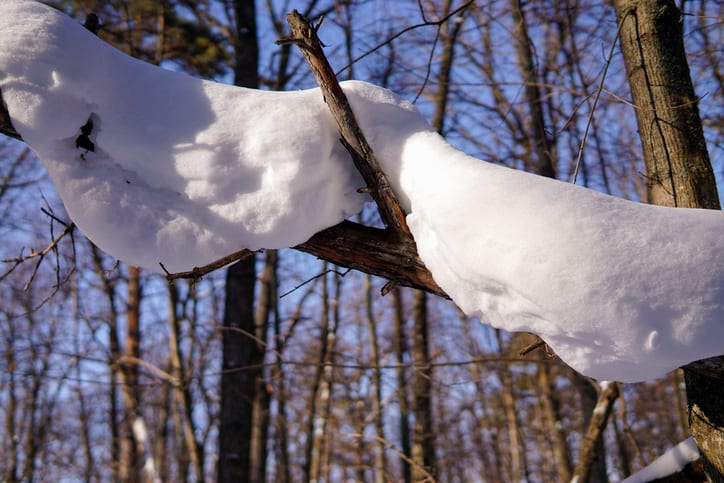
- Sagging branches: Look for limbs heavy with ice hanging over power lines or your roof.
- Outbuildings: Check if sheds, carports, or fences are bowing under the weight of the snow.
9. Not Activating Your Security System
Beyond convenience, maintaining paths reduces your liability risk under Ontario law.
- Clear high-traffic areas: Prioritize the front steps and secondary emergency exits.
- Sand & Salt: Reapply after a "thaw-refreeze" cycle to prevent invisible black ice.
10. Vehicles & Equipment
- Clear the roof: In Ontario, driving with a "snow-cap" on your car is dangerous and can lead to fines.
- Snowblower check: Ensure it is fueled and stored in a way that doesn't block exits.
Quick Documentation Tip
If you notice damage (like a ceiling leak or a crushed shed):
- Take Photos/Video: Capture wide shots and close-ups.
- Date Everything: Note the exact time you discovered the issue.
- Mitigate: Take "reasonable steps" to prevent more damage, like placing a bucket under a leak.
This documentation is vital if you need to file an Ontario home insurance claim. Insurance generally covers "sudden and accidental" damage (like a burst pipe) but may not cover "maintenance issues" (like a slow leak ignored for weeks).
When to Call a Professional
- If you see sagging rooflines or new cracks in drywall.
- If you have active leaking into the living space.
- If you have frozen pipes located in hard-to-reach areas.
Final Thought: A 15-minute walkaround after a storm can prevent a month-long repair headache. If you're ever unsure how your specific policy handles snow damage, reach out to your insurance broker to review your coverage.
>> Speak with A Youngs Insurance Broker Today!
Click here for a quick home insurance quote »
Disclaimer: The information provided on this blog is for educational purposes only and is not intended as professional insurance advice. The coverage, terms, and conditions of each insurance policy are unique and subject to individual circumstances. The information provided does not guarantee the availability or suitability of any insurance policy for your specific needs. You should not rely on the information in the blog as an alternative to professional advice from your insurance broker or insurance company. If you have any specific questions about any insurance matter, please consult a licensed insurance broker for personalized advice and guidance.